

How Misery can help your mental health
By Leslie Brown
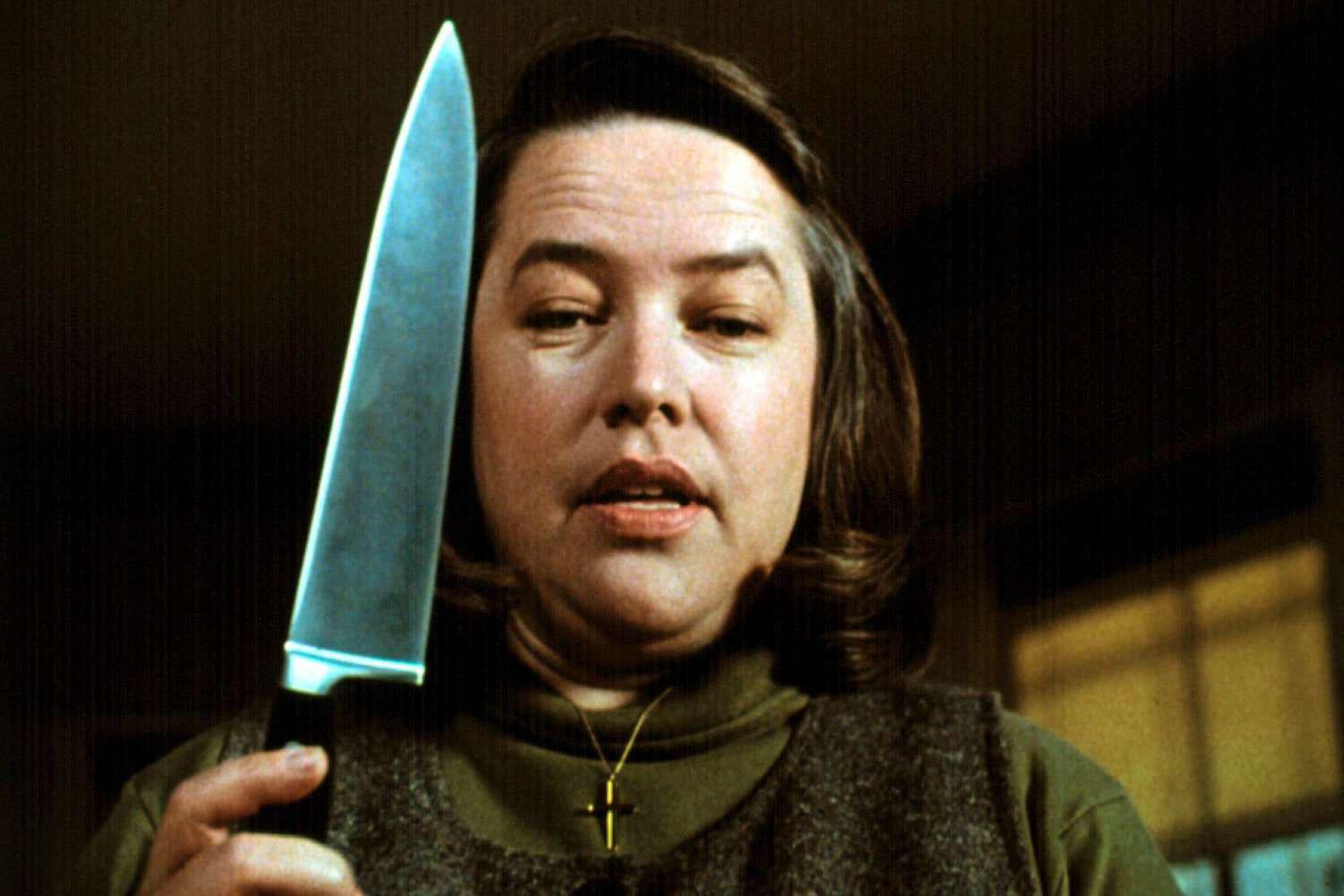
It sounds like an oxymoron, but Misery can help improve your mental health. If you are talking about the Arvada Center's upcoming thriller Misery based on Stephen King’s classic, that is!
There is some interesting science behind how horror can provide mental health benefits when it allows people to experience fear in a controlled environment. It’s called the paradox of horror - the enjoyment of negative emotions. Many humans enjoy scaring themselves, giving the body and brain a jolt of adrenaline that can give a high like a drug. This is especially evident with the popularity of Halloween, a holiday that almost seems to rival Christmas these days with all the oversized skeletons in yards and intricate DIY haunted houses popping up in suburban garages.
 There is some interesting science behind how horror can provide mental health benefits when it allows people to experience fear in a controlled environment. It’s called the paradox of horror - the enjoyment of negative emotions. Many humans enjoy scaring themselves, giving the body and brain a jolt of adrenaline that can give a high like a drug. This is especially evident with the popularity of Halloween, a holiday that almost seems to rival Christmas these days with all the oversized skeletons in yards and intricate DIY haunted houses popping up in suburban garages.
 Coltan Scrivner is a psychologist at Arizona State University, and his book Morbidly Curious: A Scientist Explains Why We Can't Look Away presents his research that explores these notions of why humans can be drawn to horror, and why it can be good for us. "The first evidence we have of writing includes horrible demons and monstrous beasts," Scrivner says, describing the 4,000-year-old Babylonian tablets engraved with the Epic of Gilgamesh. "I would say features of horror stories are as old as language."
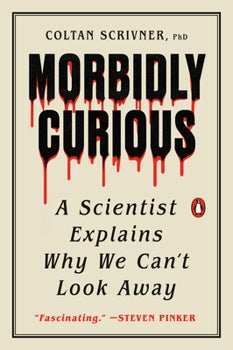 drawn to horror, and why it can be good for us. "The first evidence we have of writing includes horrible demons and monstrous beasts," Scrivner says, describing the 4,000-year-old Babylonian tablets engraved with the Epic of Gilgamesh. "I would say features of horror stories are as old as language."
Scrivner’s research showed that people tend to fall into three categories - “Adrenaline Junkies” who feel more alive when they feel fear, “White Knucklers” who don’t enjoy the stressful feelings brought on by fear, and “Dark Copers” who see horror as a morbid way to remind themselves that their real lives are safe.
Horror taps into the same spaces of the brain where anxiety and uncertainty lie, and experiencing fictional tales of terror may help reduce anxiety around events in the outside world. The brain uses “predictive processing” to interpret new events and help come up with solutions, and seeing horror helps the brain to create even more ideas for solutions to challenges, helping us to make better predictions of possible threats. It can also help reduce anxiety by going through stressful feelings in places where you can walk out of the room or put down the book momentarily.
 momentarily.
 Scary stories act as metaphors of real life and allow us ways to safely experience the scary and unknown from the safety of our couch while reading a book or watching a movie. They provide us opportunities to work out how we would handle scary situations, making us more adaptable humans when scary conditions suddenly arise in the real world.
So after seeing Misery, the next time you get stranded in a snowstorm and a local resident tries to help you out but things turn sinister… you should have all sorts of ideas for how to get out of there safely. Misery opens September 4, get your tickets here - https://arvadacenter.org/events/misery